
13 August, 2021
0 Comments
1 category
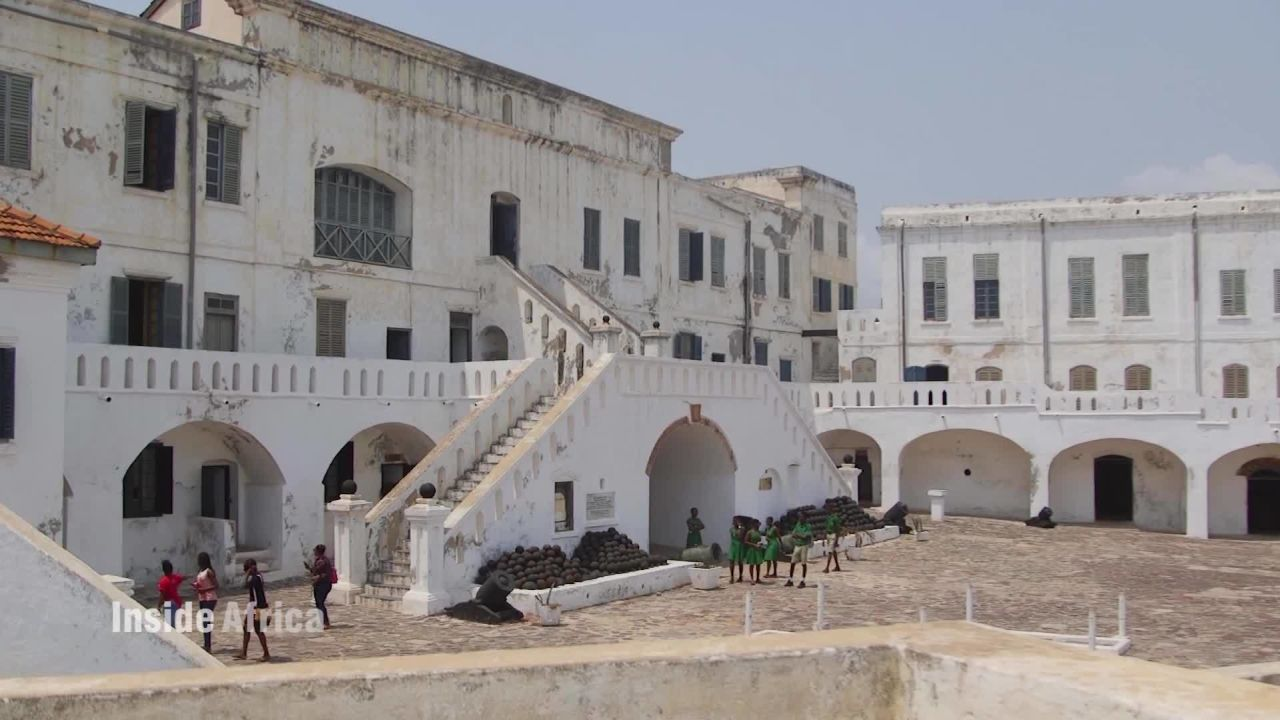
Osu Castle, also known as Fort Christiansborg, is a historic fort located in Osu, a suburb of Accra, Ghana. It is one of the most significant colonial-era buildings in Ghana and has a rich and complex history.
📜 Historical Background
- Built by the Danes in the 1660s, the castle was originally a small lodge built by the Swedish around 1652 but was expanded and fortified by the Danish after they took control.
- It became the capital of the Danish Gold Coast, and a key center for trade, including the transatlantic slave trade.
- In 1850, the Danes sold all their possessions in the Gold Coast, including the castle, to the British, and it became the seat of the British colonial government.
- After Ghana’s independence in 1957, Osu Castle served as the seat of government and the presidential residence for several decades.
🏛️ Structure and Features
- The castle is built in European architectural style, with thick white walls, watchtowers, dungeons, and courtyards.
- It contains underground dungeons where enslaved Africans were held before being shipped abroad during the transatlantic slave trade.
- The complex also includes residential quarters, offices, and ceremonial halls.
🏛️ Modern Role
- Osu Castle served as the presidential office and residence until 2009, when the seat of government was moved to Jubilee House.
- It is now primarily used for ceremonial and administrative purposes.
- In 2017, it was turned into a museum and historical site open to the public, helping preserve Ghana’s colonial and post-independence history.
⚠️ Symbolism and Controversy
- Osu Castle is a powerful symbol of colonial oppression, especially due to its role in the slave trade.
- Today, it stands as a place for reflection and education about Ghana’s past and the resilience of its people.
Category: LikeGhana
Related Posts

Lake Bosomtwe, Ashanti Region.
Lake Bosomtwe is an exceptional and culturally significant natural lake…