Elmina Castle is one of the most significant historical landmarks in Ghana and the entire West African coast. Here’s an overview of its history, importance, and current status:
1. Historical Background
-
Built by the Portuguese in 1482, Elmina Castle (originally called São Jorge da Mina) is the oldest European building in Sub-Saharan Africa.
-
It was constructed to protect Portuguese trade interests in West Africa, particularly in gold and later in slaves.
-
In 1637, the castle was captured by the Dutch, who used it as a headquarters for the Dutch West India Company.
-
Eventually, it was taken over by the British in 1872 and became part of the British Gold Coast colony.
2. Role in the Transatlantic Slave Trade
-
Elmina Castle was a major hub for the transatlantic slave trade.
-
Captured Africans were imprisoned in dungeon cells under horrible conditions.
-
From there, they were shipped across the Atlantic to the Americas.
-
The infamous “Door of No Return” was the final exit for enslaved Africans who would never see their homeland again.
3. Architectural Features
-
The castle has massive stone walls, watchtowers, and battlements.
-
Key areas include:
-
The male and female dungeons
-
The governor’s quarters
-
The courtyard used for punishment and control
-
The chapel and armory
-
4. Cultural and UNESCO Recognition
-
Elmina Castle was designated a UNESCO World Heritage Site in 1979, along with other forts and castles along the Ghanaian coast.
-
It serves as a memorial site for the millions who suffered during the slave trade.
-
The castle attracts thousands of tourists, researchers, and descendants of the African diaspora annually.
5. Importance Today
-
Elmina Castle is a symbol of resilience and remembrance.
-
It plays a central role during Emancipation Day celebrations in Ghana.
-
It is a place of learning and reflection, promoting dialogue about the past and unity in the future.
Related Posts
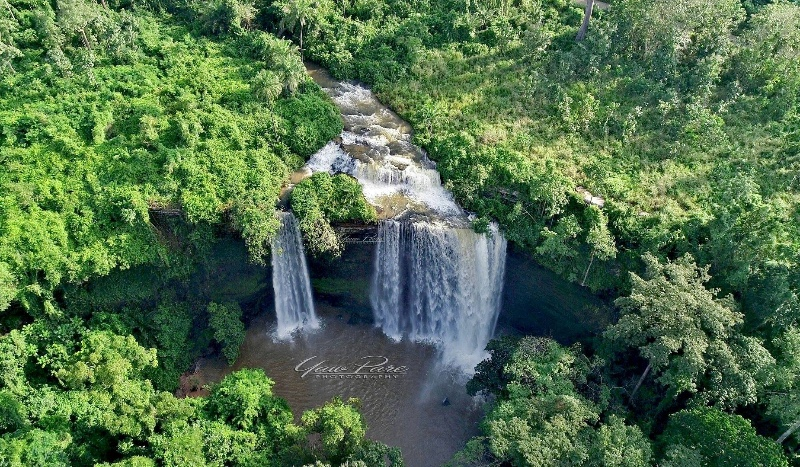

Lake Bosomtwe, Ashanti Region.
Lake Bosomtwe is an exceptional and culturally significant natural lake…