13 August, 2021
0 Comments
1 category
The Manhyia Palace Museum is a significant cultural and historical institution located in Kumasi, the capital of the Ashanti Region in Ghana. It serves as a repository of the rich history, culture, and legacy of the Ashanti Kingdom and its monarchy.
🏛️ About the Museum:
- Established: 1995
- Location: Within the grounds of the Manhyia Palace, the official residence of the Asantehene (King of the Ashanti).
- Purpose: To preserve the history and culture of the Ashanti people and to educate both locals and visitors about the kingdom’s heritage.
🕰️ Historical Background:
- The original Manhyia Palace was built in 1925 by the British for Asantehene Prempeh I upon his return from exile in the Seychelles.
- The museum now occupies the old palace, which served as the royal residence until a new palace was constructed nearby.
- It was converted into a museum by Otumfuo Opoku Ware II to preserve and showcase the Ashanti legacy.
🖼️ What You’ll See at the Museum:
- Royal regalia – including gold weights, swords, and ceremonial items.
- Artifacts – from the days of early Ashanti kings.
- Photographs – of past Asantehenes and significant events.
- Furniture and personal items – used by Asantehene Prempeh I and others.
- Audio-visual presentations – narrating Ashanti history and key events.
👑 Cultural Significance:
- The museum emphasizes the power and influence of the Ashanti Empire, one of the most powerful kingdoms in pre-colonial West Africa.
- It provides insights into the traditional governance system, customs, and resistance against British colonialism.
- The museum plays a key role in preserving oral history and Ashanti identity.
🎟️ Visitor Information:
- Open: Monday to Saturday (typically 9:00 AM – 5:00 PM)
- Entry Fee: There is a small fee for both local and international visitors.
- Guided Tours: Available and recommended for deeper understanding.
✨ Fun Fact:
The Golden Stool (Sika Dwa Kofi) – the sacred symbol of Ashanti unity and nationhood – is central to Ashanti culture, and while it’s not displayed at the museum, its story and significance are well documented there.
Category: LikeGhana
Related Posts
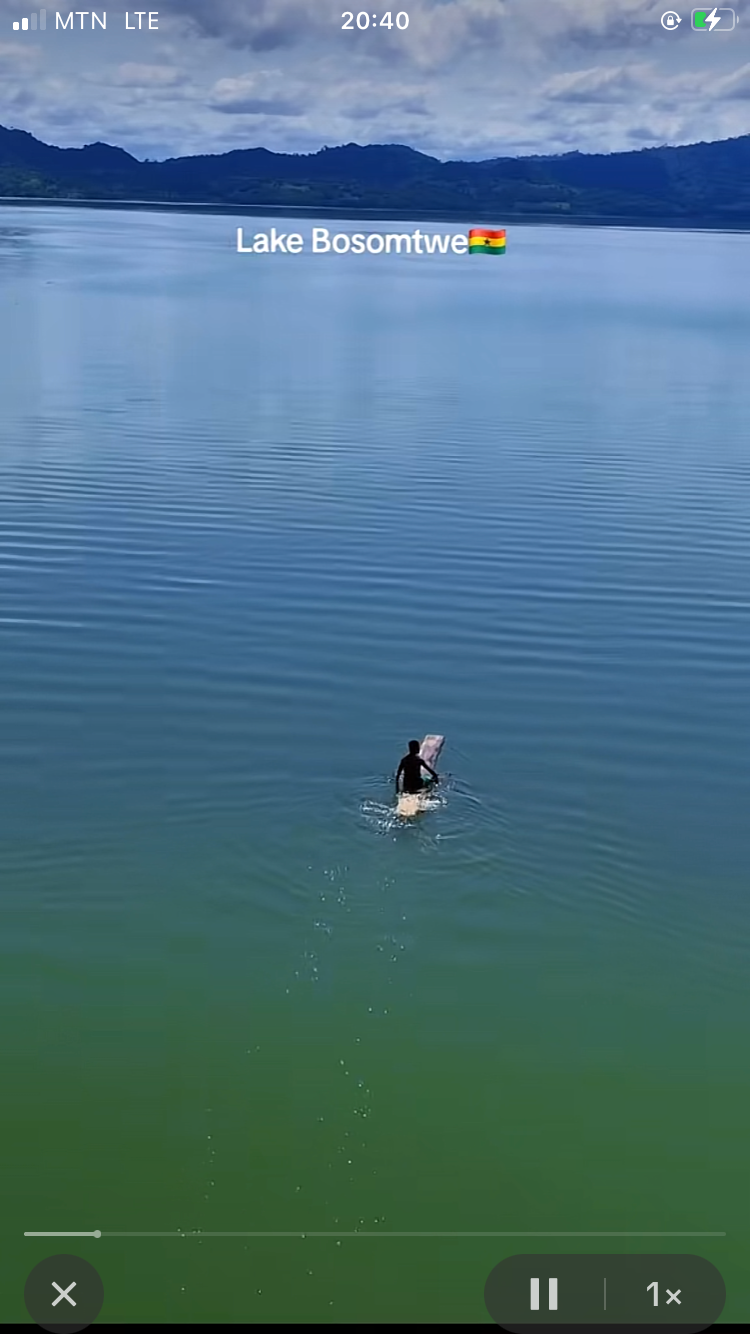
Lake Bosomtwe, Ashanti Region.
Lake Bosomtwe is an exceptional and culturally significant natural lake…