
13 August, 2021
0 Comments
1 category
The Larabanga Mosque is one of the oldest and most historically significant mosques in Ghana and West Africa. It is located in the Savannah Region of Ghana, near the town of Larabanga, close to Mole National Park.
🕌 Key Facts About Larabanga Mosque:
- Built in: 1421 (according to oral tradition)
- Architectural Style: Sudano-Sahelian, using mud and stick construction (also known as earthen architecture)
- Materials: Mud (adobe), timber beams, whitewashed walls
- Function: Active mosque and a site of Islamic worship
- Status: A designated national heritage site and a popular tourist attraction
🧱 Architectural Features:
- Rectangular structure with protruding wooden beams (used for maintenance and decoration)
- Two tall pyramid-like towers: a minaret and a mihrab (indicating the direction of Mecca)
- Small windows and narrow entrances, typical of Sudano-Sahelian architecture
- Whitewashed exterior with dark timber beams creating a striking contrast
🕋 Historical and Cultural Significance:
- Said to have been founded by Ibrahim Ayuba, an Islamic trader or missionary who had a dream directing him to build the mosque at that location
- Often referred to as the “Mecca of West Africa” because of its religious significance
- A key center for Islamic learning and worship in northern Ghana for centuries
- Believed to contain an old copy of the Qur’an buried within it, adding to its mystique and reverence
🔧 Preservation:
- The mosque has undergone restoration efforts multiple times, especially due to weather damage from rain and erosion
- Supported by organizations like the World Monuments Fund and Ghana’s heritage bodies
- Restoration uses traditional materials and methods to maintain authenticity
📍 Location:
- Town: Larabanga
- Region: Savannah Region (formerly part of Northern Region)
- Nearby Attraction: Mole National Park, Ghana’s largest wildlife refuge
Category: LikeGhana
Related Posts
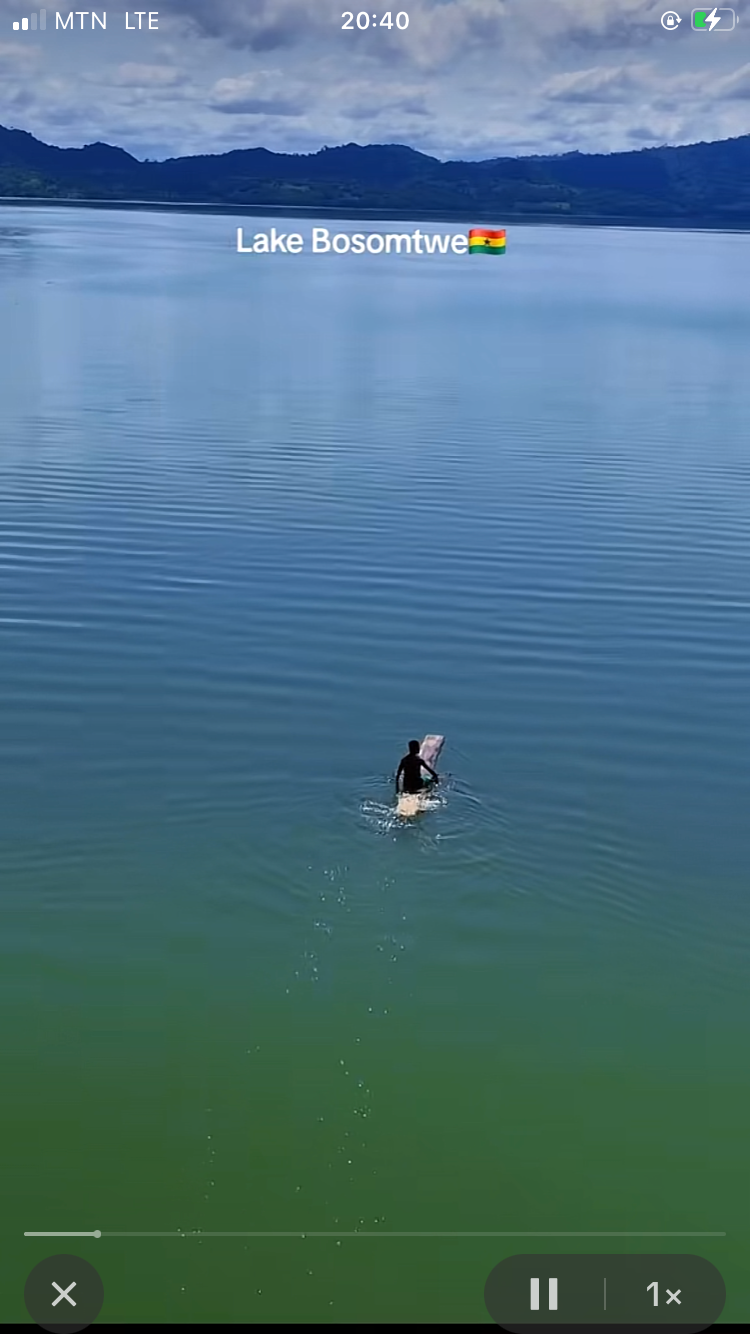
Lake Bosomtwe, Ashanti Region.
Lake Bosomtwe is an exceptional and culturally significant natural lake…